


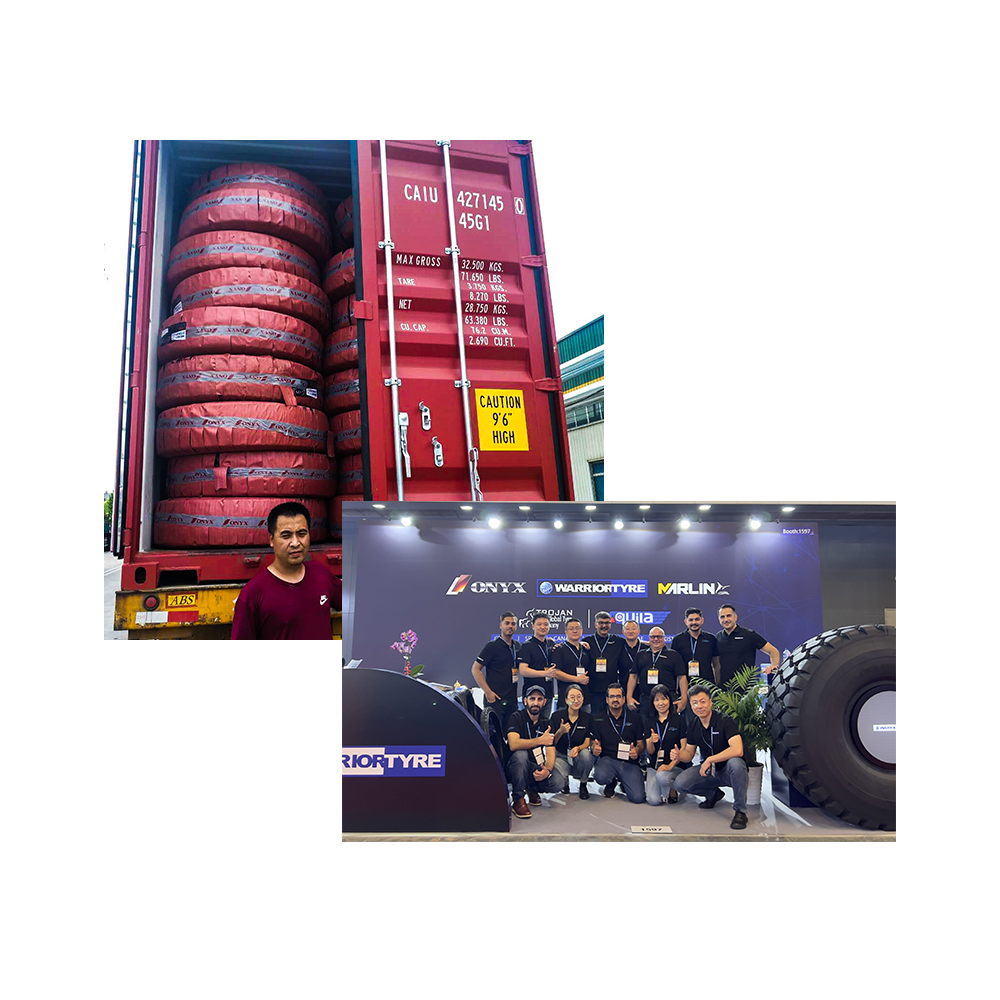
In the global tyre industry, technology is no longer optional—it’s essential. Tyre suppliers today are leveraging advanced manufacturing techniques, automation, digital tools, and data analytics to improve quality, efficiency, and responsiveness. For importers and distributors, understanding how modern tyre suppliers use technology can help in selecting reliable partners, reducing risk, and gaining competitive advantage.
This article explores the key technological advancements in tyre manufacturing, how tyre suppliers use them to serve global markets, and why technology adoption matters for importers and distributors.
1. Why Technology Matters for Tyre Suppliers
The tyre industry faces growing pressures:
-
Rising global demand
-
Increasing regulatory standards
-
Customer expectations for quality and durability
-
Environmental compliance and sustainability goals
Tyre suppliers who embrace technology can:
-
Ensure consistent product quality
-
Reduce lead times
-
Optimize production costs
-
Support compliance and traceability
-
Provide value-added services to importers
Technology becomes a differentiator, separating top-tier suppliers from average ones.
2. Automation in Production Lines
Modern tyre suppliers invest heavily in automated production lines. Automation improves precision, reduces human error, and increases throughput.
Key applications include:
-
Automated rubber mixing and preparation
-
CNC-controlled tire building machines
-
Robotic curing presses
-
Automated inspection systems
For importers, automation translates to reliable quality and consistent product performance across all shipments.
3. Advanced Materials and Compound Testing
Technology is transforming the materials side of tyre manufacturing. Suppliers now use lab-grade testing and digital simulations to optimize compounds for durability, grip, and rolling resistance.
Technological tools include:
-
Computer-aided rubber compounding systems
-
Finite Element Analysis (FEA) for stress testing
-
Wear simulation software
-
Environmental impact modeling
These tools ensure that tyres meet global performance standards, giving importers confidence in product quality.
4. Smart Quality Control Systems
Traditional quality control often relied on manual inspection. Today, top tyre suppliers use digital QC systems.
Examples include:
-
High-speed vision inspection for tread and sidewall defects
-
Laser measurement of uniformity and balance
-
Real-time tracking of production data
-
Automated defect reporting and batch traceability
These systems reduce the risk of defective tyres reaching importers and end customers.
5. Data-Driven Supply Chain Management
Efficient tyre suppliers leverage technology to manage their supply chains intelligently.
Applications include:
-
ERP (Enterprise Resource Planning) for inventory and order tracking
-
Forecasting algorithms for raw materials and production
-
Logistics optimization software
-
Integration with shipping and customs platforms
Importers benefit from predictable lead times, real-time order updates, and smoother international trade operations.
6. Digital Documentation and Compliance
Modern tyre suppliers use digital platforms for documentation and regulatory compliance. This ensures smooth cross-border operations and reduces delays.
Digital tools include:
-
e-Certificates and digital inspection reports
-
Online compliance dashboards for different markets
-
Automatic label verification
-
Integration with customs clearance systems
Importers can easily access up-to-date documents, minimizing the risk of shipment rejection or compliance penalties.
7. Advanced Research & Development Technology
Tyre suppliers are investing in R&D to stay competitive. Technology accelerates product development and allows innovation at lower risk.
Key R&D technologies include:
-
Virtual prototyping of tread patterns
-
Simulation of tyre performance under various road and climate conditions
-
Environmental impact assessment software
-
Material testing under extreme conditions
These innovations help suppliers develop high-performance tyres faster and more efficiently, benefiting importers seeking modern products.
8. Eco-Friendly Manufacturing Technology
Sustainability is becoming a competitive edge. Tyre suppliers are adopting green technologies such as:
-
Energy-efficient curing and mixing equipment
-
Water recycling systems
-
VOC reduction systems
-
Bio-based or recycled materials integration
Technology enables suppliers to meet global environmental standards while maintaining quality and cost-effectiveness, making them more attractive partners for eco-conscious importers.
9. Traceability and Digital Tracking
Modern tyre suppliers implement traceability systems that track every tyre from raw material to finished product.
Benefits include:
-
Verification of production batches
-
Monitoring quality metrics
-
Easier handling of warranty claims
-
Transparency for importers and distributors
Importers can demonstrate product reliability to end customers, which is critical for brand reputation.
10. Integration of AI and Predictive Analytics
Artificial intelligence (AI) is emerging in tyre production and distribution. Suppliers use AI for:
-
Predictive maintenance on machines
-
Demand forecasting and inventory optimization
-
Quality trend analysis
-
Route and shipping optimization
These AI-driven insights help suppliers reduce production downtime, avoid delays, and provide more accurate delivery forecasts.
11. Digital Communication and Ordering Platforms
Top tyre suppliers use digital platforms to streamline communication with importers.
Features include:
-
Online ordering and payment portals
-
Production status dashboards
-
Instant access to specifications, certifications, and datasheets
-
Real-time alerts for shipment or quality issues
These platforms reduce errors, improve transparency, and accelerate decision-making for importers.
12. Benefits for Importers and Distributors
Partnering with tech-driven tyre suppliers provides multiple advantages:
-
Higher quality, fewer defective tyres
-
Faster and more predictable lead times
-
Access to innovative products (EV tyres, fuel-efficient tyres)
-
Reduced risk of compliance issues
-
Stronger partnership and communication
Technology adoption by suppliers enables importers to focus on market growth, branding, and distribution rather than operational firefighting.
13. Challenges for Tyre Suppliers Adopting Technology
While technology offers clear benefits, tyre suppliers face challenges:
-
High initial investment costs
-
Need for skilled workforce
-
Integration of legacy systems with new technology
-
Continuous upgrades and maintenance
Importers should evaluate suppliers’ technology adoption as part of the partnership, ensuring long-term reliability.
14. Future Trends in Tyre Supplier Technology
The tyre industry is evolving rapidly, and technology will continue to play a central role. Emerging trends include:
-
Smart tyres with embedded sensors
-
Digital twins for virtual testing
-
Carbon-neutral production processes
-
Blockchain for full supply chain traceability
-
AI-driven market analytics and forecasting
Importers working with technologically advanced suppliers will gain access to cutting-edge products and processes, creating a competitive advantage in global markets.
15. Final Thoughts
Technology is no longer optional in the tyre industry—it is a core differentiator. Tyre suppliers who embrace automation, data-driven production, advanced R&D, eco-friendly manufacturing, and digital communication are better equipped to deliver consistent quality, support compliance, and provide strategic value to importers.
For distributors and importers, partnering with tech-savvy tyre suppliers is not just about sourcing products—it’s about securing a reliable, efficient, and innovative supply chain that enables growth and market leadership. Choosing suppliers with modern technological capabilities is a strategic decision that pays dividends in quality, efficiency, and competitive advantage.

 English
 Arabic
 French
 Spanish
 Portuguese
 Deutsch
 Turkish
 Dutch
Dutch
 Russian
 Romaian
 Portuguese (Brazil)
 Tiếng Việt