


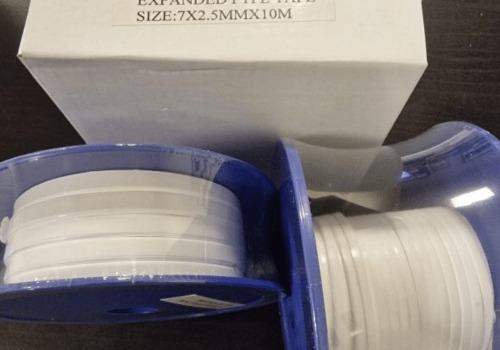
What Is PTFE Coating Material?
To start, PTFE stands for polytetrafluoroethylene. It’s a synthetic polymer known for its smooth surface and resistance to heat and chemicals.
When used as a coating, PTFE is applied as a thin layer on surfaces such as metal or glass. This layer acts as a barrier that protects the underlying material.
Because of its structure, PTFE doesn’t react easily with other substances. As a result, it maintains its properties even in challenging environments.
Why PTFE Coatings Are So Popular
There are many reasons why PTFE coating material are widely used.
Non-Stick Surface
First, PTFE is famous for its non-stick behavior. This means materials don’t easily cling to it.
For example, in cooking, food slides right off PTFE-coated pans. However, this same property is just as useful in industrial settings where buildup can cause problems.
Chemical Resistance
In addition, PTFE resists a wide range of chemicals. Because of this, it works well in environments where other coatings might break down.
Heat Resistance
PTFE can handle high temperatures without losing its performance. Therefore, it is suitable for applications that involve heat exposure.
Low Friction
The smooth surface reduces friction. As a result, moving parts experience less wear over time.
I once saw a production line where components kept jamming due to friction. After switching to PTFE-coated parts, the process became much smoother.
Common Applications of PTFE Coating Material
PTFE coatings are used in many industries, often in ways people don’t notice.
Cookware
One of the most familiar uses is in non-stick cookware. Because food doesn’t stick, cleaning becomes much easier.
At the same time, it reduces the need for oils or fats during cooking.
Industrial Machinery
In factories, PTFE coatings help machinery run more efficiently. Since surfaces stay smooth, parts move more easily.
In addition, the coating reduces wear and extends the life of equipment.
Chemical Processing Equipment
PTFE coatings are often used in tanks, pipes, and valves. Because they resist chemicals, they protect equipment from damage.
This is especially helpful when dealing with strong acids or solvents.
Electrical Components
PTFE also works well in electrical applications. It provides insulation and protects components from heat and moisture.
Automotive Parts
In vehicles, PTFE coatings are used on components that require low friction. This helps improve performance and reduce wear.
Benefits in Real-World Use
PTFE coatings offer practical benefits that go beyond theory.
For instance, they reduce maintenance needs. Because surfaces stay clean and resist buildup, equipment requires less frequent cleaning.
In addition, they improve efficiency. When parts move smoothly, systems operate more effectively.
Also, they help prevent corrosion. This is important in environments where moisture or chemicals are present.
From personal experience, using PTFE-coated tools can make everyday tasks easier. Things simply slide better, and cleanup takes less effort.
How PTFE Coating Is Applied
The application process depends on the type of surface and the intended use.
First, the surface is cleaned and prepared. This ensures the coating sticks properly.
Next, the PTFE coating is applied, often through spraying or dipping.
Then, the coated item is heated to bond the material to the surface.
Finally, the result is a smooth, durable layer that provides protection and performance.
Comparing PTFE with Other Coatings
There are other coating materials available, such as ceramic or epoxy. While these options have their own uses, PTFE stands out in certain areas.
For example, ceramic coatings may handle heat well but may not offer the same non-stick properties.
Epoxy coatings can provide strong protection but may not perform as well under high temperatures.
On the other hand, PTFE offers a balanced combination of non-stick behavior, chemical resistance, and heat tolerance.
Limitations to Consider
Although PTFE coatings are highly effective, they are not perfect for every situation.
For instance, they may not be as durable under heavy mechanical stress compared to some other coatings.
In addition, improper application can reduce their effectiveness.
Therefore, choosing the right coating for your specific needs is important.
Tips for Choosing PTFE Coating Material
If you are considering PTFE coatings, here are a few things to keep in mind.
First, think about the environment. Consider factors such as temperature, chemicals, and wear.
Next, choose the right thickness. Thicker coatings may provide more protection, while thinner ones may offer better flexibility.
Also, work with experienced professionals for application. Proper coating ensures better performance.
Finally, consider long-term use. A slightly higher upfront cost can save money over time through reduced maintenance.
A Simple Way to Understand It
You can think of PTFE coating as a protective shield that also makes surfaces smoother.
Because it reduces sticking, friction, and chemical reactions, it improves performance in many applications.
At the same time, it simplifies maintenance and extends the life of equipment.
Final Thoughts
PTFE coating material plays an important role in both everyday products and industrial systems. Because it combines non-stick properties, chemical resistance, and heat tolerance, it offers reliable performance in many situations.
From cookware to machinery, its applications are wide-ranging and practical. Once you start noticing it, you’ll see how often it’s used.
In the end, choosing the right coating can make a big difference. And when you need a solution that keeps things moving smoothly and cleanly, PTFE coating material is often a smart choice.

 English
 Arabic
 French
 Spanish
 Portuguese
 Deutsch
 Turkish
 Dutch
Dutch
 Italiano
 Russian
 Portuguese (Brazil)
 Tiếng Việt