


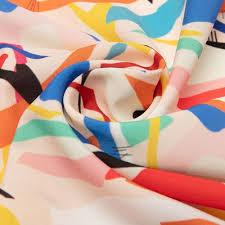
Every piece of fabric tells a story — of creativity, color, and craftsmanship. Today, that story has become even more personal and powerful through custom digital fabric printing. It’s where imagination meets innovation, and where a simple sketch or photograph can be transformed into a beautiful, tangible piece of art.
In the past, textile printing was a long, technical process, requiring multiple screens, dyes, and high production costs. But digital printing has rewritten those rules. It has given artists, fashion designers, and even small businesses the ability to bring their ideas to life — instantly, affordably, and sustainably.
Let’s explore how this remarkable technology works, what makes it so special, and why it’s changing the future of textile design forever.
What Is Custom Digital Fabric Printing?
At its core, custom digital fabric printing is a modern technique that uses advanced inkjet technology to print digital designs directly onto fabric. Instead of using traditional methods like block or screen printing, which involve multiple steps and color separations, digital printing transfers your design straight from a computer file to fabric — with precision, speed, and beauty.
It’s like using a printer at home, but on a much larger and more powerful scale — and instead of paper, your canvas is fabric. From intricate patterns and vibrant florals to photographs and artwork, anything you can imagine can be brought to life with digital printing.
This process allows for true personalization, giving designers and individuals full creative control over every color, shade, and detail.
The Process: How Digital Fabric Printing Works
Behind the elegance of digitally printed fabric lies a smooth, high-tech process that blends creativity with science.
Step 1: Creating the Design
The journey begins with an idea — a painting, illustration, or digital pattern created on design software like Photoshop or Illustrator. The design is then adjusted for resolution and color profiles to ensure perfect clarity.
Step 2: Preparing the Fabric
Before printing, the fabric is pre-treated with a special coating that helps the ink bond well and stay vibrant. This step also enhances the fabric’s feel and durability.
Step 3: Printing the Design
The design is printed directly onto the fabric using specialized inkjet printers. These printers spray microscopic ink droplets onto the textile surface with extreme precision, capturing even the smallest details of the artwork.
Step 4: Fixing the Colors
Once printed, the fabric goes through a heat or steam process to permanently fix the colors into the fibers. Finally, it’s washed, dried, and finished — resulting in a soft, durable fabric with rich, lasting hues.
The beauty of this process is that every print feels like a one-of-a-kind creation.
Why Custom Digital Fabric Printing Is Revolutionizing Design
Digital printing is not just a faster way to decorate fabric — it’s a new language of creativity. Here’s why it stands out in the modern textile world:
Limitless Design Freedom
There are no creative restrictions. Whether it’s a bold geometric design, a detailed landscape, or a personal photograph, digital printing can capture it all — with millions of color possibilities.
Perfect for Custom and Small Orders
Unlike traditional printing, which requires high setup costs, digital printing makes short runs or single designs affordable. Perfect for small businesses, boutiques, and personalized projects.
Rapid Turnaround
Designs can move from screen to fabric within hours. This speed allows designers to keep up with fast-changing trends and meet tight deadlines without compromising quality.
Eco-Friendly and Sustainable
Digital printing reduces waste, uses less water and energy, and employs environmentally friendly inks. It’s a responsible choice for brands that care about the planet.
High-Definition Results
Digital printing produces ultra-sharp images, smooth color gradients, and long-lasting prints. The quality remains consistent wash after wash.
Where Custom Digital Fabric Printing Is Used
The versatility of this technology has made it a favorite across many creative and commercial industries.
Fashion and Apparel
From luxury designers to independent brands, digital printing allows for unique clothing lines filled with personality and flair. Each fabric becomes an artistic statement.
Home Décor and Interiors
Imagine decorating your home with curtains, cushions, and upholstery featuring designs that reflect your taste. With digital printing, personalization is now part of interior design.
Events and Branding
Businesses use custom printed fabrics for banners, uniforms, and promotional displays — combining creativity with brand identity.
Art and Craft Projects
Artists can print their own artworks on fabrics to create customized pieces, from tote bags to wall art. It’s where digital art meets real-world beauty.
The Technology Behind the Beauty
Modern digital textile printers are marvels of precision. They use advanced nozzles that release thousands of ink droplets per second, ensuring rich colors and flawless blending. The inks are formulated for different fabric types — cotton, silk, polyester, linen, and more.
Software plays a big role too. Color management systems ensure that what you see on the screen is exactly what appears on the fabric. Artificial intelligence is also helping designers test virtual prototypes before printing — saving time and reducing material waste.
This union of design and digital innovation is what makes the process both artistic and efficient.
Sustainability: Printing with Purpose
In a world moving toward greener solutions, digital fabric printing stands out as a sustainable innovation.
-
Water Conservation: Traditional dyeing methods can use thousands of liters of water per print run. Digital printing cuts that by up to 90%.
-
Less Waste: It prints only what’s needed, eliminating leftover dyes and unsold stock.
-
Non-Toxic Inks: Most digital inks are water-based and safe for both people and the environment.
-
Energy Efficiency: Faster production and minimal setup mean less energy use overall.
This environmentally conscious process aligns perfectly with the global shift toward sustainable fashion and responsible production.
The Challenges of Digital Fabric Printing
Although the advantages are clear, the technology still faces a few challenges. The cost of equipment and inks can be high initially, and color results may vary slightly between fabric types. Some materials also require complex pre-treatment.
However, ongoing innovation continues to overcome these hurdles, making the process more affordable, accurate, and accessible each year.
The Future of Fabric Printing
The world of custom digital fabric printing is just beginning. Exciting innovations are on the horizon, such as:
-
3D and textured printing that adds tactile depth to fabrics.
-
Smart fabrics that combine digital prints with embedded sensors or lights.
-
On-demand fashion, where customers design and print their own clothing online.
-
Organic and recycled fabrics, optimized for digital printing to promote eco-friendly fashion.
These advancements are shaping a future where every design tells a personal story — beautifully, responsibly, and instantly.
FAQs
What types of fabrics can be digitally printed?
Almost any fabric — cotton, silk, polyester, or blends — can be digitally printed, depending on the type of ink used.
Is digital fabric printing durable?
Yes. When properly heat-set, the colors bond deeply with the fibers, staying bright and sharp even after many washes.
Can small businesses afford digital printing?
Definitely. It’s ideal for small runs, prototypes, and custom pieces without heavy setup costs.
Is it environmentally friendly?
Yes. Digital printing saves water, reduces waste, and uses non-toxic inks, making it one of the most sustainable printing options.
Can I print my own design on fabric?
Absolutely! Whether it’s your artwork, logo, or pattern, you can have it printed exactly as you imagine.
Conclusion
Custom digital fabric printing is more than just a printing technique — it’s a creative revolution. It blends art with technology, tradition with innovation, and individuality with sustainability.
It gives every designer, artist, and dreamer the power to turn their imagination into something real — something that can be seen, touched, and worn. Whether it’s a one-of-a-kind dress, a personalized piece of décor, or a limited-edition art project, digital printing transforms ordinary fabric into extraordinary expression.
In an age where creativity is limitless and sustainability matters more than ever, digital fabric printing stands as proof that technology can make art not only more beautiful — but also more meaningful.

 English
 Arabic
 French
 Spanish
 Portuguese
 Deutsch
 Turkish
 Dutch
Dutch
 Russian
 Romaian
 Portuguese (Brazil)
 Tiếng Việt