


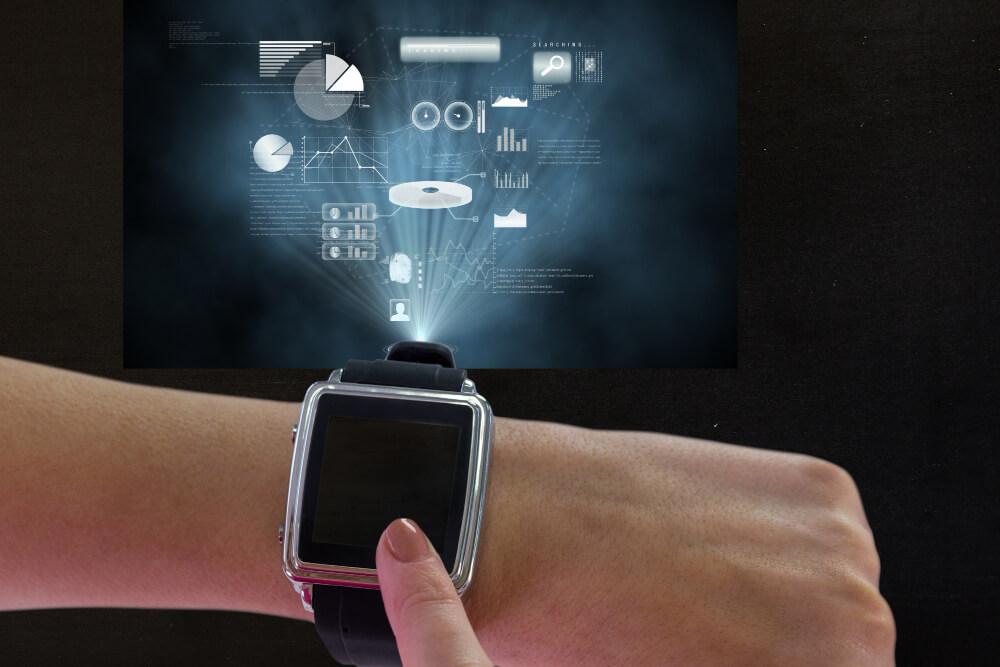
Many users today face the same frustration: small screens on AR glasses, VR headsets, cameras, and compact devices often look pixelated or blurry. Even with high-end hardware, the visuals fail to deliver the sharpness and brightness expected. The core issue isn’t the device—it’s the display technology powering it.
This is why a high-resolution micro display has become one of the most reliable solutions for anyone needing clearer, brighter, and more realistic visuals.
Why Traditional Compact Screens Struggle
Low Pixel Density
Most small screens use LCD panels that cannot achieve the high pixel density required for near-eye applications. This leads to jagged edges, poor detail, and washed-out colors when viewed up close.
Insufficient Brightness
LCD displays rely on backlights that struggle in outdoor or bright environments. When users rely on devices for navigation, industrial work, or AR use, low brightness becomes a major pain point.
Slow Response Times
Motion blur is another common issue. Whether you're gaming in VR or reviewing fast-moving camera footage, slow LCD response times create ghosting and reduce clarity.
How Micro Display Technology Solves These Issues
Ultra-High Resolution for Near-Eye Clarity
A micro display packs millions of pixels into a tiny panel, producing stunning sharpness even at a close distance. This eliminates the pixelation and screen-door effect seen in older displays.
Superior Color and Contrast
Micro displays—especially those built with OLED or Micro-OLED technology—deliver perfect black levels and vibrant colors. This significantly enhances clarity and improves usability for AR overlays, camera viewfinders, and medical optics.
Low Power Consumption
Since micro displays emit light at the pixel level, they consume far less energy compared to traditional LCD screens. This results in:
-
Longer battery life for portable devices
-
Less heat generation
-
More stable performance in extended VR or camera work
Extremely Fast Response Time
Micro displays switch pixels at high speed, producing smoother visuals without motion blur. Users get clean, stable images even during rapid movement.
Where Micro Displays Are Used Today
AR and VR Headsets
Micro displays are now the foundation of next-generation AR/VR systems. They offer realistic visuals, deeper contrast, and reduced eye strain—making immersive experiences far more comfortable.
Professional Camera Viewfinders
Photographers and videographers depend on accurate previews. Micro displays show true colors, dynamic contrast, and precise details that help them make correct exposure and framing decisions instantly.
Wearable and Industrial Devices
Smart glasses, inspection systems, medical devices, and compact electronic tools all benefit from the small form factor and high clarity of micro displays.
Why You Should Consider Micro Display Technology
If you’re experiencing blurry visuals, eye strain, or poor color accuracy on your current device, upgrading to micro display technology is one of the most effective fixes. It offers compact size, improved clarity, and long-term reliability—exactly what modern AR, VR, and optical products demand.
Conclusion
Micro displays solve the real frustrations users face every day: low resolution, weak brightness, poor contrast, and fast battery drain. With ultra-high pixel density, strong brightness, high contrast, and efficient power use, they deliver a superior viewing experience across AR glasses, VR systems, cameras, and professional compact devices. If clarity and comfort matter to you, a micro display is the smarter choice for the future.

 English
 Arabic
 French
 Spanish
 Portuguese
 Deutsch
 Turkish
 Italiano
 Russian
 Romaian
 Portuguese (Brazil)
 Tiếng Việt