


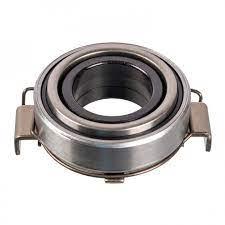
When drivers or machine operators experience rough gear shifts, strange noises, or clutch pedal vibration, they often blame the clutch plate or transmission. But in many cases, the real culprit is a worn-out clutch release bearing, a small yet crucial component responsible for smooth clutch disengagement. Ignoring early symptoms doesn’t just impact performance—it can lead to complete clutch failure and expensive downtime.
This article explains why businesses and vehicle owners must pay close attention to the condition of the clutch release bearing, the problems caused by low-quality bearings, and how choosing a reliable component protects both machinery and productivity.
Understanding the Importance of a Clutch Release Bearing
What It Does Inside the System
The clutch system relies on precise, friction-free movement. The clutch release bearing ensures:
-
Smooth pressure plate disengagement
-
Reduced pedal effort
-
Silent clutch operation
-
Longer lifespan of the clutch assembly
Without a properly functioning bearing, the transmission cannot shift gears efficiently. That’s why upgrading to a dependable clutch release bearing becomes essential for drivers, fleets, automotive workshops, and heavy-equipment operators.
Major Pain Points Caused by a Worn or Poor-Quality Clutch Release Bearing
1. Gear Stiffness and Difficulty Shifting
A damaged bearing creates resistance in the clutch system, making the pedal feel hard and causing jerky, inconsistent gear changes.
2. Unusual Noises from the Clutch Area
Whirring, grinding, or squealing sounds while pressing the clutch pedal are strong indicators of bearing malfunction. If ignored, the noise escalates into full failure.
3. Vibrating Clutch Pedal
When the bearing cannot rotate smoothly, it transmits vibration back to the pedal, reducing driving comfort and signaling internal wear.
4. Premature Clutch System Damage
A failing bearing affects the pressure plate, diaphragm spring, and even the flywheel—leading to costly repair bills and extended vehicle downtime.
Why Choosing a High-Quality Clutch Release Bearing Matters
A premium quality clutch release bearing ensures long-term reliability and prevents operational disruptions. Inferior or poorly machined bearings cause:
Misalignment Problems
Even slight misalignment increases friction, heat, and wear on the clutch assembly.
Overheating and Material Breakdown
Low-grade steel or improper lubrication leads to surface degradation, reducing the bearing’s operational lifespan.
Reduced Load-Carrying Capacity
High torque engines and heavy-duty vehicles require bearings capable of withstanding intense pressure. Cheap alternatives simply cannot handle these demands.
Higher Maintenance Cost
Choosing low-quality bearings leads to repeated replacements, unnecessary inspections, and prolonged repair cycles.
Industries and Applications That Depend on Reliable Clutch Release Bearings
-
Commercial transport fleets
-
Agriculture and farm machinery
-
Construction and mining vehicles
-
Passenger cars and light commercial vehicles
-
Industrial mechanical equipment
In all these sectors, time is money. A single clutch failure can halt operations, delay deliveries, and increase fuel consumption due to inefficient gear shifting.
How a Premium Clutch Release Bearing Protects Your System
Enhanced Durability
Precisely engineered bearings maintain stability under high RPM, ensuring long operational life.
Smooth and Silent Clutch Engagement
High-quality bearings reduce friction, noise, and vibrations across the entire clutch system.
Better Efficiency and Fuel Economy
Smooth gear shifting reduces unnecessary engine strain, resulting in improved fuel efficiency.
Consistent Performance Under Load
Whether in city traffic or heavy-duty commercial work, a strong bearing maintains reliable performance in all conditions.
Conclusion
A faulty clutch bearing rarely fails suddenly—it gives warning signs. Paying attention to these early symptoms and choosing a high-quality clutch release bearing can prevent major failures, reduce repair bills, and ensure long-lasting clutch performance. For businesses relying on vehicle uptime, this small component plays a massive role in keeping operations running smoothly.

 English
 Arabic
 French
 Spanish
 Portuguese
 Deutsch
 Dutch
Dutch
 Italiano
 Russian
 Romaian
 Portuguese (Brazil)
 Tiếng Việt