


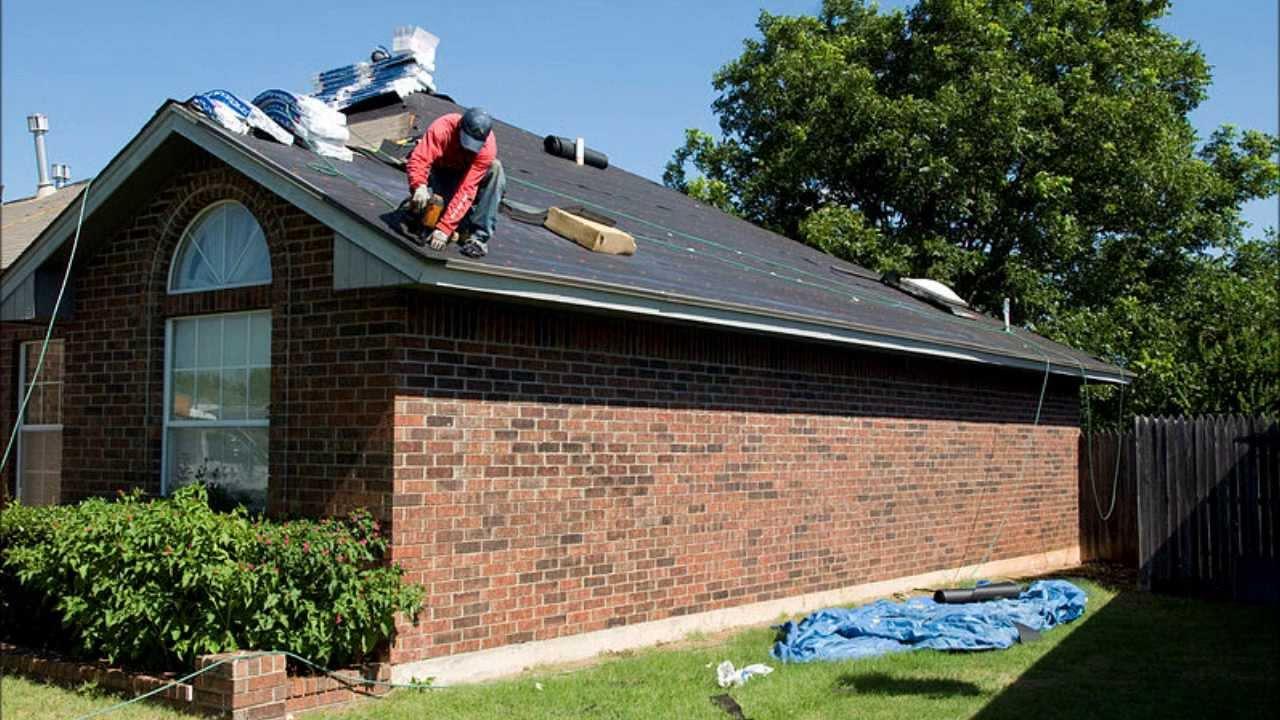
Maintaining the integrity of your home starts from the top down. While a brand-new roof might only need a cursory glance once a year, an aging system is a different beast entirely. As a roof enters the double-digit years of its lifespan, the margin for error shrinks. Understanding why older structures demand more eyes-on time can save you thousands in emergency costs, which is why many homeowners prioritize professional Roof Repair Services in Belleville, MI, to stay ahead of the curve.
At Al’s Roofing & Repairs, we’ve seen firsthand how a "set it and forget it" mentality can lead to catastrophic failures in older homes. Weathering, material fatigue, and historical storm damage create a cumulative effect that requires a proactive strategy.
The Compounding Effect of Material Fatigue
Roofing materials, whether asphalt shingles, cedar shakes, or metal panels, are designed to withstand the elements, but they aren't immortal. Over time, the chemical bonds in these materials begin to break down.
Loss of Granular Protection
On asphalt roofs, the granules serve as the primary shield against ultraviolet (UV) radiation. As the roof ages, these granules shed into the gutters. Once the underlying bitumen is exposed to the sun, it becomes brittle and cracks. Frequent inspections allow experts to check the "bald spots" on your shingles before they turn into leaks.
Thermal Expansion and Contraction
Every day, your roof expands in the heat and contracts in the cold. After 15 or 20 years of this "thermal shock," the fasteners (nails and clips) can begin to back out. An older roof is more likely to have "popped nails," which create direct conduits for water to enter the attic.
Identifying Vulnerable Flashings and Seals
If the shingles are the skin of your roof, the flashing is the connective tissue. This thin metal material is installed around chimneys, dormers, and valleys—the areas most prone to leaking.
- Sealant Failure: Older roofs often rely on caulking and urethane sealants that have a much shorter lifespan than the shingles themselves. These seals dry out, shrink, and peel away.
- Corrosion: In older homes, galvanized steel flashing may begin to rust. Once a hole as small as a pinhead forms, surface tension can pull gallons of water into your wall cavities during a heavy Michigan downpour.
Regularly scheduling Roof Repair Services in Belleville, MI, ensures that these high-risk transition points are resealed or replaced before the interior drywall is ruined.
The Invisible Threat: Compromised Underlayment
One of the biggest misconceptions about roofing is that the shingles are the only line of defense. In reality, the roof underlayment (the felt or synthetic layer beneath the shingles) does much of the heavy lifting.
In older roofing systems, this underlayment was often made of organic felt paper. Over decades, this paper can become "cooked" by attic heat or brittle from age. Even if your shingles look "okay" from the ground, the waterproof barrier underneath might be disintegrated. A professional inspection involves checking for signs of underlayment failure, such as slight "telegraphing" or unevenness in the shingle rows.
Structural Integrity and Decking Concerns
An older roof isn't just about the surface; it’s about the wood underneath. Roof decking (the plywood or planking) can suffer from "slow leaks" that don't always show up as a drip on your ceiling.
Wood Rot and Soft Spots
Small, unnoticed leaks over a decade can cause the wooden deck to rot. During an inspection, a roofing professional will physically walk the roof to feel for "spongy" areas. Catching a soft spot early means you only need a small patch; ignoring it usually results in a full deck replacement during your next re-roofing project.
Sagging Ridgelines
Older homes may experience shifting foundations or weakened rafters. Frequent inspections monitor the "line" of the roof. If the ridge starts to sag, it indicates a structural issue that needs immediate attention to prevent a total collapse under heavy snow loads.
The Role of Attic Ventilation in Roof Longevity
The health of an old roof is intrinsically tied to the climate of the attic. Many older homes in Belleville were built with insufficient ventilation by modern standards.
When heat and moisture are trapped in the attic, they essentially "bake" the shingles from the inside out. This leads to curling and cupping, where the edges of the shingles turn upward or inward. An annual inspection includes an assessment of your soffit and ridge vents to ensure air is flowing correctly, preventing premature aging and ice dam formation during the winter months.
Maximizing Your ROI and Insurance Coverage
Homeowners' insurance companies are becoming increasingly strict about the age of roofing systems. Many providers now require a "roof certification" or a detailed inspection report once a roof passes the 15 or 20-year mark.
- Preventing Claim Denials: If a leak occurs and the insurance adjuster determines it was due to "neglect" or "lack of maintenance" on an old roof, they may deny the claim.
- Documentation: Having a paper trail of professional inspections and minor repairs proves that you have been a responsible steward of the property, making the claims process much smoother if a major storm hits.
Why Professional Insight Matters
While some DIY-savvy homeowners might feel comfortable climbing a ladder, an untrained eye often misses the subtle precursors to failure. Professional local roofing contractors look for:
- Slight discoloration in the fascia boards.
- Lichen and moss growth that roots into the shingle mat.
- Clogged internal gutters or hidden drainage issues.
By catching these issues early, you extend the functional life of your home and delay the massive capital expenditure of a full replacement.

 English
 Arabic
 French
 Spanish
 Portuguese
 Deutsch
 Turkish
 Dutch
Dutch
 Russian
 Romaian
 Portuguese (Brazil)
 Tiếng Việt