


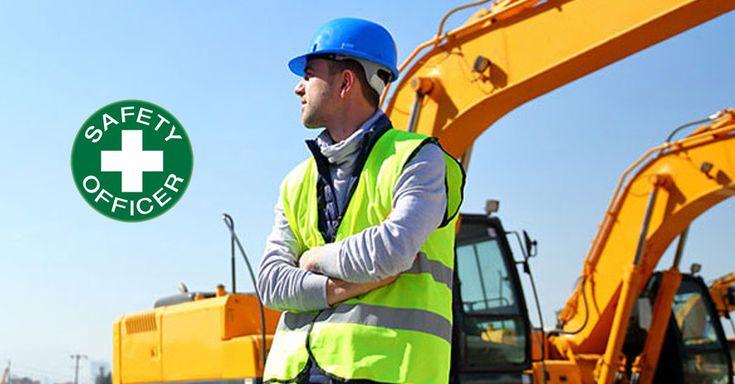
On a busy industrial site, multiple contractors often work side by side. One team may be performing hot work while another handles chemical cleaning nearby. Without a clear and structured risk assessment, small oversights can quickly escalate into serious incidents.
In the GIC2 context, contractor risk assessment is not just a paperwork requirement. It is a structured approach to identifying hazards, coordinating responsibilities, and preventing harm. Many professionals begin appreciating this depth when reviewing the NEBOSH Course Fee before enrolling in advanced safety training, only to realize that understanding contractor management is central to effective risk control. This article explains what truly makes a contractor risk assessment effective in GIC2 and how it protects people, assets, and operations.
Understanding Contractor Risk Assessment in GIC2
In GIC2, contractor management focuses on shared workplaces where multiple employers operate simultaneously. The risk assessment must consider overlapping tasks, shared access routes, and combined hazards.
An effective contractor risk assessment goes beyond identifying obvious dangers. It examines how different activities interact and how one contractor’s work may introduce risks to others.
For example, maintenance contractors working at height may drop tools onto workers below. If cleaning contractors are using flammable substances nearby, the risk multiplies. GIC2 emphasizes coordinated control measures to address such combined exposures.
Clear Scope Definition and Work Breakdown
A strong risk assessment begins with a clear understanding of the task. Vague descriptions such as “general maintenance” are insufficient.
The scope should specify exact activities, tools, materials, and timeframes. This clarity allows hazards to be identified accurately.
Breaking work into smaller steps helps uncover hidden risks. When each stage is analyzed separately, the likelihood of missing critical hazards decreases.
Identification of Combined and Interface Hazards
One of the most important elements in GIC2 is recognizing interface risks. These occur when contractors’ activities overlap or interact.
Common interface hazards include:
-
Simultaneous hot work and flammable material handling
-
Shared confined spaces
-
Electrical isolation affecting multiple teams
-
Vehicle movements near pedestrian contractors
Identifying these combined hazards requires coordination meetings and shared planning. Without communication between contractors, risks remain unmanaged.
Competence and Pre Qualification Checks
An effective contractor risk assessment considers the competence of the workforce. Skills, certifications, and experience levels influence risk levels significantly.
Before work begins, organizations should verify:
-
Relevant training certificates
-
Previous experience with similar tasks
-
Understanding of site specific procedures
-
Emergency response awareness
Competence reduces the likelihood of unsafe shortcuts. It also ensures that risk controls are implemented correctly.
Adequate Control Measures and Hierarchy of Control
Risk identification alone does not prevent accidents. Effective assessments apply the hierarchy of control to minimize exposure.
Elimination and substitution should be considered before relying on administrative controls or personal protective equipment. For example, using mechanical lifting instead of manual handling reduces strain injuries.
Control measures must be practical and realistic. If they are difficult to implement, contractors may ignore them.
Communication and Coordination Systems
Communication is central to GIC2 contractor management. Risk assessments must clearly outline who communicates what, and when.
Daily coordination meetings can prevent conflicts between work activities. Permit to work systems also ensure that high risk tasks are properly authorized and monitored.
Clear signage, shared safety briefings, and updated schedules support safe coordination. Without communication, even well written assessments fail in practice.
1.0 Monitoring and Supervision
An effective risk assessment includes monitoring arrangements. Controls should not exist only on paper.
1.1 Regular Site Inspections
Supervisors should conduct routine inspections to verify compliance. These inspections confirm that contractors follow agreed procedures.
Observation helps identify deviations early. Corrective actions can then be implemented before incidents occur.
1.2 Active Supervision
Active supervision ensures that risk controls are maintained throughout the task. Supervisors must remain visible and accessible.
Their role includes clarifying instructions, resolving conflicts, and reinforcing safe behavior.
Monitoring strengthens accountability. It ensures that risk assessment remains a living document.
Emergency Preparedness and Response Planning
Contractor risk assessments must address potential emergencies. Shared workplaces require coordinated emergency arrangements.
For example, if a fire occurs during hot work, all contractors must understand evacuation routes and assembly points. Confusion during emergencies increases injury risk.
Clear emergency plans, communication protocols, and drills improve readiness. Contractors should be briefed before work begins.
Documentation and Record Keeping
Documentation provides evidence of planning and due diligence. However, documentation should support safety, not replace it.
Effective assessments include clear hazard descriptions, assigned responsibilities, and review dates. Records should be accessible and understandable.
Overly complex documentation may discourage engagement. Simplicity improves usability and compliance.
2.0 Worker Involvement and Consultation
Involving contractors in the risk assessment process enhances effectiveness. Workers often identify practical hazards that managers overlook.
2.1 Pre Job Briefings
Before tasks begin, supervisors should review hazards and control measures with contractors. This ensures mutual understanding.
Workers can raise concerns about site conditions or equipment limitations.
2.2 Feedback During Work
Continuous feedback allows adjustments when conditions change. Construction sites and industrial facilities are dynamic environments.
Encouraging open dialogue builds trust and improves hazard awareness.
Continuous Review and Improvement
Risk assessments should not remain static. Changes in scope, personnel, or environment require updates.
Regular reviews ensure that control measures remain suitable. Incident reports and near misses provide valuable lessons.
Learning from minor incidents prevents major accidents. Continuous improvement reflects mature safety management.
3.0 Integration with Organizational Safety Systems
Contractor risk assessments must align with the organization’s overall safety management system. Policies, procedures, and emergency plans should be consistent.
Integration ensures that contractors follow the same standards as direct employees. This reduces confusion and conflicting instructions.
Alignment also supports compliance with legal requirements. Coordinated systems demonstrate responsibility and accountability.
The Role of Professional Training in GIC2 Competence
Developing effective contractor risk assessments requires knowledge and practical understanding. Safety professionals benefit from structured education that covers hazard identification, contractor coordination, and risk evaluation techniques.
Many individuals reviewing the NEBOSH Course Fee discover that such programs include detailed guidance on managing multi employer worksites. The training emphasizes real case studies and scenario analysis, which strengthen practical competence.
Education enhances analytical thinking. It helps professionals recognize interface risks that may not be immediately obvious.
4.0 Learning Pathways and Skill Development
Students and professionals seeking to improve contractor management skills should evaluate training providers carefully. The quality of instruction influences practical capability.
Those exploring NEBOSH in Pakistanoften look for institutes that combine theoretical knowledge with workplace based examples. Interactive sessions, group discussions, and case study reviews help learners understand GIC2 principles more effectively.
Choosing structured learning pathways builds confidence in conducting thorough risk assessments. Competent professionals contribute to safer, more coordinated worksites.
5.0 Frequently Asked Questions
5.1 What is the main purpose of contractor risk assessment in GIC2?
Its main purpose is to identify hazards arising from contractor activities and manage interface risks between multiple employers.
5.2 Why are interface hazards critical in shared workplaces?
Interface hazards can create combined risks that individual contractors may not recognize independently.
5.3 How often should contractor risk assessments be reviewed?
They should be reviewed whenever there are changes in scope, personnel, or site conditions.
5.4 What role does supervision play in effectiveness?
Supervision ensures that control measures are implemented and maintained throughout the task.
5.5 How does training improve contractor risk assessment quality?
Training enhances hazard identification skills, understanding of control hierarchies, and coordination strategies.
Conclusion
An effective contractor risk assessment in GIC2 is detailed, practical, and dynamic. It identifies interface hazards, ensures competence, applies suitable controls, and promotes communication among all parties.
Monitoring, worker involvement, and continuous review strengthen its impact. When safety professionals pursue structured learning and carefully consider aspects such as the NEBOSH Course Fee, they gain deeper insight into contractor coordination and hazard management.
Strong assessments do more than meet compliance requirements. They create structured systems that protect workers, support cooperation, and reduce the likelihood of serious incidents in shared workplaces.

 Arabic
 French
 Spanish
 Portuguese
 Deutsch
 Turkish
 Dutch
Dutch
 Italiano
 Russian
 Romaian
 Portuguese (Brazil)
 Tiếng Việt