


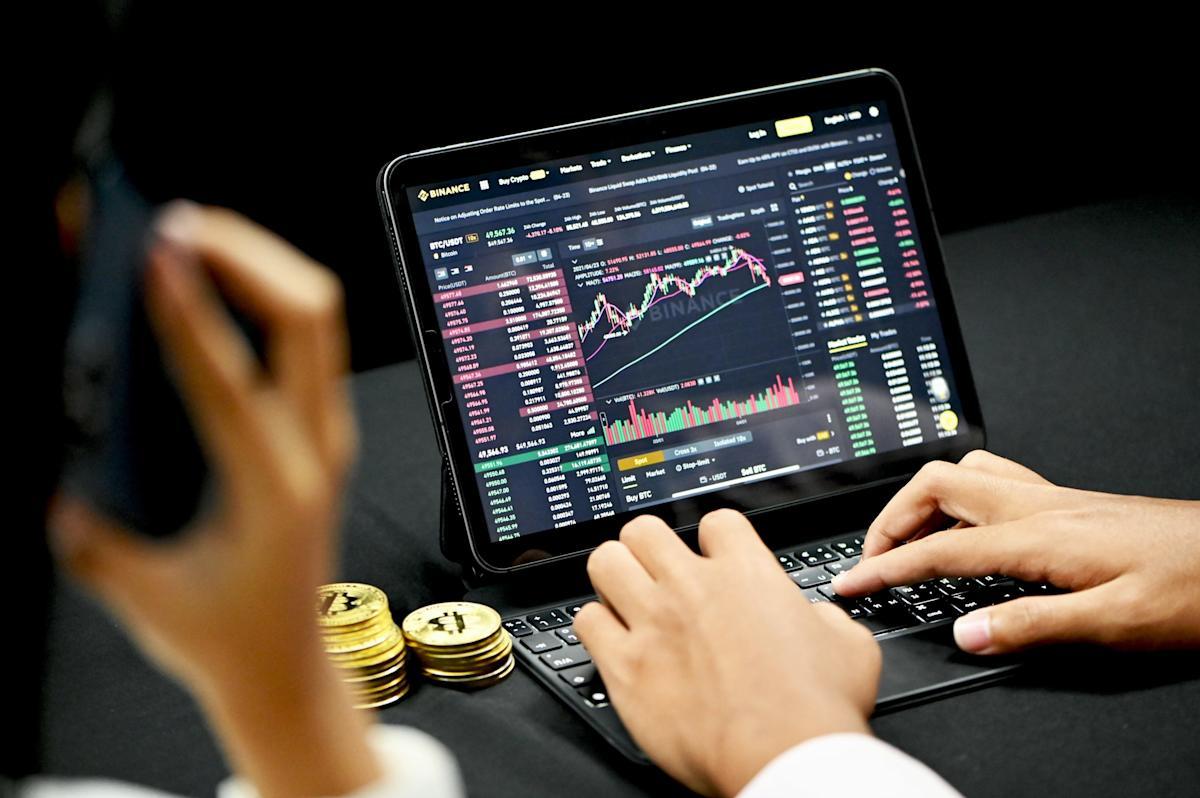
Crypto trading has evolved from a niche activity into a multi-trillion-dollar global market. As of 2025, the total cryptocurrency market capitalization fluctuates between $1–2 trillion, with daily trading volumes often exceeding $50 billion.
For investors, traders, and finance learners, understanding crypto trading is no longer optional — it’s a competitive advantage.
This guide covers:
-
How crypto trading works
-
How to choose a crypto trading platform
-
Proven crypto trading strategies
-
The role of crypto trading bots
-
Risk management principles
Let’s break it down step by step.
What Is Crypto Trading?
Crypto trading involves buying and selling digital assets such as Bitcoin, Ethereum, and altcoins to profit from price movements.
Unlike traditional stock markets, crypto markets operate 24/7, offering continuous opportunities — and risks.
There are three primary ways traders engage in crypto markets:
-
Spot Trading – Buying and holding actual coins
-
Futures & Derivatives Trading – Speculating on price movements with leverage
-
Algorithmic Trading – Using automation and bots
Why Crypto Trading Has Gained Popularity
Several factors have accelerated crypto adoption:
-
Institutional involvement (ETFs, hedge funds)
-
Blockchain innovation (DeFi, NFTs, Layer-2 solutions)
-
High volatility (attractive for short-term traders)
-
Global accessibility (no geographic limitations)
For example, Bitcoin has experienced multiple cycles where it rose over 300% within 12 months, followed by sharp corrections. This volatility creates opportunities for both short-term and long-term strategies.
Choosing the Right Crypto Trading Platform
A crypto trading platform acts as your gateway to the market. Selecting the right one directly affects your trading costs, security, and execution speed.
Key Factors to Evaluate
1. Security & Regulation
-
Two-factor authentication (2FA)
-
Cold storage policies
-
Regulatory compliance
2. Trading Fees
Platforms typically charge:
-
Maker/Taker fees (0.1%–0.5%)
-
Withdrawal fees
-
Funding rates for futures
Lower fees matter, especially for high-frequency traders.
3. Liquidity
High liquidity ensures:
-
Faster order execution
-
Minimal slippage
-
Tighter spreads
4. User Interface & Tools
Look for:
-
Advanced charting
-
Technical indicators
-
Risk management tools
-
API access
For beginners, simplicity matters. For professionals, advanced order types (limit, stop-limit, OCO) are essential.
Understanding Crypto Trading Strategies
There is no “one-size-fits-all” strategy. The best crypto trading strategies depend on your capital, risk tolerance, and time commitment.
Here are the most common ones:
1. Day Trading
Traders open and close positions within the same day.
Pros:
-
No overnight risk
-
Frequent opportunities
Cons:
-
Requires constant monitoring
-
Higher stress and fees
Best suited for experienced traders.
2. Swing Trading
Positions are held for several days or weeks.
This strategy benefits from medium-term market trends and is popular among part-time traders.
Example:
Buying Ethereum during a breakout above resistance and holding until momentum slows.
3. Scalping
Scalpers aim for small price movements multiple times a day.
Success depends on:
-
Low fees
-
High liquidity
-
Fast execution
Even 0.5% gains repeated consistently can compound significantly.
4. Trend Following
This strategy relies on technical indicators like:
-
Moving Averages
-
RSI (Relative Strength Index)
-
MACD
Rule of thumb:
“Trade with the trend, not against it.”
5. Breakout Trading
Traders enter when price breaks key resistance or support levels.
High volume confirmation increases reliability.
The Role of a Crypto Trading Bot
A crypto trading bot automates trading decisions based on predefined rules.
Why Traders Use Bots
-
24/7 execution
-
No emotional bias
-
Faster reaction to market movements
Bots can be programmed for:
-
Arbitrage
-
Grid trading
-
Market-making
-
Trend following
However, bots are not “set and forget.” They require:
-
Proper configuration
-
Backtesting
-
Risk monitoring
Without risk controls, automated systems can magnify losses.
Risk Management: The Most Overlooked Skill
Successful crypto trading is less about predicting prices and more about controlling losses.
Professional traders follow these rules:
1. Use Position Sizing
Risk only 1–2% of total capital per trade.
Example:
If your account has $10,000, risk no more than $100–$200 per trade.
2. Always Use Stop-Loss Orders
A stop-loss protects capital from extreme volatility.
Crypto markets can drop 10–20% within hours.
3. Avoid Excessive Leverage
While leverage can amplify gains, it also increases liquidation risk.
Many retail traders lose capital due to overleveraging.
4. Diversify
Avoid putting all capital into one coin.
Diversification reduces single-asset exposure risk.
Chart/Table Idea
Table Idea: Comparison of Crypto Trading Strategies
Columns:
-
Strategy
-
Time Commitment
-
Risk Level
-
Suitable For
-
Expected Volatility Exposure
This table helps readers quickly identify which strategy matches their experience and risk tolerance.
Fundamental vs Technical Analysis in Crypto Trading
Technical Analysis (TA)
Focuses on:
-
Price charts
-
Patterns
-
Indicators
Best for short-term traders.
Fundamental Analysis (FA)
Examines:
-
Project whitepapers
-
Tokenomics
-
Developer activity
-
Market adoption
Best for long-term investors.
Combining TA and FA increases probability of success.
Common Mistakes in Crypto Trading
-
Trading without a plan
-
Emotional decision-making
-
Ignoring macroeconomic trends
-
FOMO buying
-
Overtrading
Markets reward discipline, not impulse.
Is Crypto Trading Suitable for Beginners?
Yes — but only with education and risk control.
Beginners should:
-
Start with spot trading
-
Use demo accounts if available
-
Learn basic chart analysis
-
Keep a trading journal
Consistency matters more than quick profits.
Frequently Asked Questions (FAQs)
1. What is the best crypto trading strategy for beginners?
Swing trading is often best for beginners. It allows time for analysis and avoids the stress of constant monitoring required in day trading.
2. Are crypto trading bots profitable?
Crypto trading bots can be profitable if properly configured and monitored. However, poor settings or volatile market conditions can lead to losses.
3. How much money do I need to start crypto trading?
You can start with as little as $50–$100 on many platforms. However, larger capital allows better risk distribution and diversification.
4. Is crypto trading legal worldwide?
Crypto trading legality depends on local regulations. Some countries regulate exchanges, while others impose restrictions. Always verify local laws before trading.
The Future of Crypto Trading
Several trends are shaping the next phase of crypto markets:
-
Institutional adoption
-
Bitcoin ETFs
-
Decentralized finance expansion
-
AI-powered crypto trading bots
-
Increased regulatory clarity
As regulation improves, market stability may increase — potentially attracting more traditional investors.
Final Thoughts: Trade Smart, Not Fast
Crypto trading offers significant opportunity, but it demands discipline, research, and risk management.
Success doesn’t come from predicting every market move. It comes from:
-
Protecting capital
-
Following tested crypto trading strategies
-
Using a reliable crypto trading platform
-
Managing emotions
If you’re serious about building long-term wealth in digital assets, focus on education first, profits second.
Start small. Track performance. Refine your strategy.
The crypto market rewards patience, preparation, and precision.
Ready to elevate your crypto trading journey?
Develop a structured plan, test your strategy, and commit to disciplined risk management — because in volatile markets, strategy beats speculation every time.

 English
 Arabic
 French
 Portuguese
 Deutsch
 Turkish
 Dutch
Dutch
 Italiano
 Russian
 Romaian
 Portuguese (Brazil)
 Tiếng Việt