


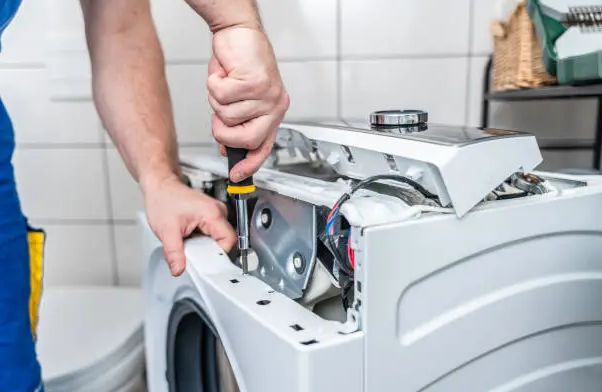
Dryers are essential appliances in most households, providing convenience and efficiency when it comes to handling laundry. However, like any heat-producing equipment, dryers carry certain safety risks if not maintained properly. One of the most important components that protect your appliance—and your home—from potential hazards is the thermal fuse. This small but powerful device plays a critical role in preventing overheating and reducing fire risks. Whenever issues arise that point to overheating or dryer malfunction, many homeowners rely on professional dryer repair services in Pompano Beach FL to ensure their appliances remain safe and functional.
A thermal fuse is a protective device designed to break an electrical circuit when a dryer becomes too hot. Unlike regular fuses that respond to electrical overloads, thermal fuses act based on temperature. If the internal temperature of the appliance exceeds safe limits, the fuse will blow, cutting off power to the heating element or the entire dryer. This simple mechanism prevents fires and other heat-related damage. Although inexpensive, the thermal fuse is one of the most important safety components inside a dryer.
Why Thermal Fuses Matter
Thermal fuses prevent overheating, which is one of the leading causes of dryer-related house fires. Excessive heat typically comes from blocked vents, lint buildup, or malfunctioning components. Without a thermal fuse, these issues could cause the dryer to continue heating until the temperature becomes dangerous. By breaking the circuit, the fuse forces the appliance to shut down, alerting the homeowner that something is wrong.
Beyond fire prevention, thermal fuses help protect internal parts from damage. Overheating can warp or damage heating elements, wiring, and plastic components. By stopping the dryer early, the fuse prevents costly repairs and appliance failure.
What Causes a Thermal Fuse to Blow?
A thermal fuse blowing is always a sign of an underlying issue. While the fuse itself can fail due to age, most times the fuse reacts to unsafe operating conditions. Common causes include:
1. Blocked Lint Filter:
A clogged lint screen restricts airflow. This restriction forces the dryer to work harder and increases internal heat. Without proper airflow, temperatures rise quickly, triggering the thermal fuse.
2. Obstructed Dryer Vent:
Lint can accumulate inside the vent hose or duct over time. Birds, debris, and even crushed vent pipes can also obstruct airflow. When air cannot escape, heat builds up and eventually causes overheating.
3. Faulty Thermostat:
The dryer thermostat controls temperature during operation. If it fails, the dryer may heat uncontrollably, blowing the thermal fuse.
4. Malfunctioning Heating Element:
A heating element that stays on continuously—even when the dryer cycles off—can rapidly increase temperature, prompting the fuse to shut down the system.
Signs That the Thermal Fuse Has Blown
A blown thermal fuse is fairly easy to identify because it causes the dryer to behave in specific ways:
- The dryer won’t start, even if it has power
- The dryer runs, but the heating element does not produce heat
- The dryer stops mid-cycle
- The control panel powers on, but the drum does not turn
Because the thermal fuse is a safety component, it cannot be reset. Once it blows, it must be replaced. However, replacing the fuse without fixing the underlying problem will only result in the fuse blowing again.
How Professionals Diagnose Thermal Fuse Issues
Trained technicians follow a thorough diagnostic process when handling thermal fuse problems. A professional will first test the fuse using a multimeter to confirm continuity. If the fuse has blown, they will inspect other components and airflow systems to determine why.
This includes:
- Checking the lint screen and lint trap housing
- Inspecting the entire vent hose for blockages
- Evaluating the exterior vent cap
- Testing the thermostat and high-limit switch
- Examining the heating element for grounding issues
Once the root cause is identified, it can be corrected to ensure the appliance functions safely.
Importance of Regular Dryer Maintenance
Routine maintenance is key to preventing overheating and protecting thermal fuses. Homeowners should clean the lint filter after each use and schedule vent cleaning at least once a year. Ensuring good airflow not only protects the thermal fuse but also improves efficiency, reduces energy consumption, and extends the lifespan of the dryer.
Proper maintenance helps avoid costly breakdowns and reduces fire risk significantly. Many homeowners seek professional dryer inspection services annually to ensure their appliances remain safe.
Why You Should Rely on Professional Repair Services
Because the thermal fuse is part of the dryer’s safety system, repairs should always be handled with care. Attempting DIY repairs without proper training may lead to incorrect installation, overlooked issues, or further damage.
Professional technicians possess the experience, tools, and knowledge required to identify hidden issues and restore your dryer to safe working order. They also ensure that only high-quality replacement parts are used.
Choosing expert help ensures that your appliance remains reliable while protecting your home from potential hazards.
Conclusion
The thermal fuse may be a small component, but it plays a significant role in dryer safety. Its purpose is to prevent overheating, reduce the risk of fires, and protect the internal components of the appliance. A blown thermal fuse is a warning sign that should never be ignored. Understanding its function helps you recognize the importance of proper dryer maintenance and timely repairs. When in doubt, turning to professionals ensures your dryer remains safe, efficient, and long-lasting.
If your dryer is not heating, shutting off unexpectedly, or showing signs of overheating, seeking help from reliable technicians can make all the difference. With proper care and expert assistance, you can keep your home safe and your dryer running smoothly for years to come.

 English
 Arabic
 French
 Spanish
 Portuguese
 Deutsch
 Turkish
 Dutch
Dutch
 Italiano
 Russian
 Romaian
 Portuguese (Brazil)