


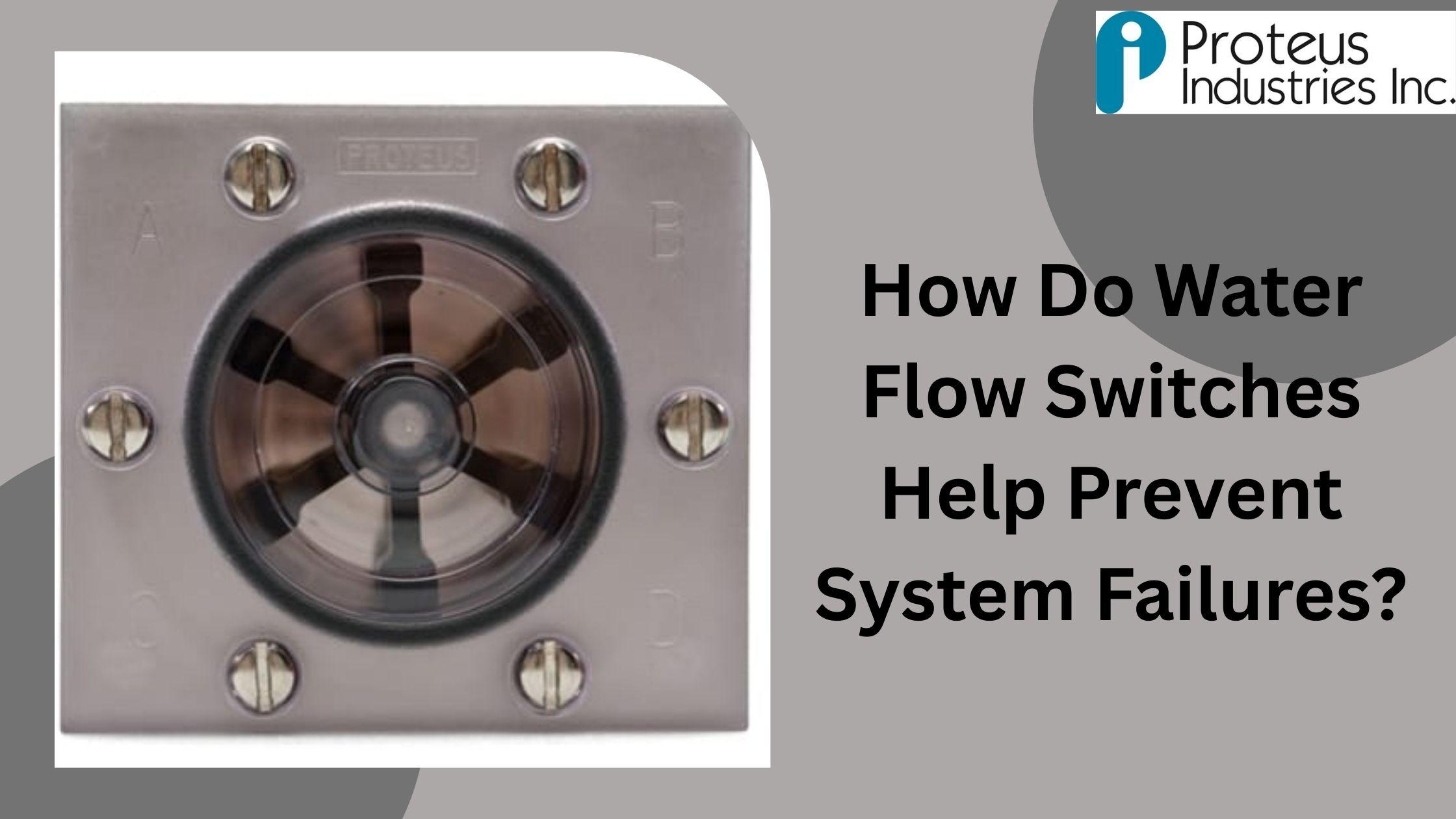
In fluid-based systems, maintaining proper flow is essential to ensure that equipment operates safely and efficiently. Systems such as HVAC units, fire protection setups, and industrial cooling lines rely heavily on consistent water movement. Water flow switches play a critical role in monitoring this movement and triggering alerts or shutdowns when irregularities occur. By doing so, they act as a first line of defense against potential system failures.
These devices are especially valuable in preventing damage caused by dry running, overheating, or pressure imbalances. When water flow switches detect that flow has stopped or dropped below a safe level, they can immediately signal the system to shut down or activate a backup mechanism. This proactive approach helps avoid costly repairs, reduces downtime, and ensures that operations continue smoothly without unexpected interruptions.
How Water Flow Switches Detect Irregular Flow Conditions
Water flow switches are designed to monitor the movement of fluid within a pipeline and respond to changes in flow rate. They typically use mechanical or electronic sensing elements to detect whether water is flowing at a predetermined level. When the flow drops below or exceeds this set threshold, the switch activates a signal that can trigger alarms or control systems.
Advanced models incorporate technologies such as paddle mechanisms, thermal sensors, or ultrasonic detection to improve sensitivity and accuracy. These features allow the switch to respond quickly to even minor fluctuations in flow. By continuously monitoring conditions, water flow switches help ensure that any irregularities are identified and addressed before they escalate into serious system failures.
Common Causes of System Failures in Fluid-Based Systems
Fluid-based systems can fail for a variety of reasons, many of which are related to disruptions in flow. Blockages caused by debris, air pockets, or scale buildup can restrict water movement and lead to pressure imbalances. Likewise, pump failures or valve malfunctions can interrupt the flow, causing equipment to operate under unsafe conditions.
Temperature fluctuations and improper system design can also contribute to failures. For instance, overheating due to insufficient cooling water can damage critical components. Identifying these common causes is essential for implementing preventive measures. By understanding the root of these issues, operators can take steps to minimize risks and maintain system stability.
Key Benefits of Using Water Flow Switches for Failure Prevention
One of the primary benefits of water flow switches is their ability to provide real-time monitoring and immediate response. This ensures that any deviation from normal flow conditions is quickly resolved , reducing the likelihood of equipment damage. Their integration with automated systems allows for rapid shutdowns or adjustments, enhancing overall safety.
Additionally, these switches contribute to improved efficiency and cost savings. By preventing failures before they occur, they help reduce maintenance expenses and downtime. Their reliability and ease of use make them a valuable component in both industrial and commercial applications, supporting long-term system performance.
Types of Water Flow Switches and Their Working Mechanisms
There are several types of water flow switches available, each designed for specific applications. Mechanical switches, such as paddle or vane types, are commonly used for their simplicity and durability. These switches rely on the movement of a physical component within the flow to trigger a response.
Electronic and thermal flow switches offer more advanced capabilities, including higher sensitivity and adaptability to varying conditions. These switches use sensors to detect changes in temperature or flow rate, providing more precise control. Understanding the differences between these types helps in selecting the most suitable option for a given system.
Best Practices for Installing and Maintaining Water Flow Switches
Proper installation is crucial for ensuring that water flow switches function effectively. They should be placed in areas with stable flow conditions, away from turbulence or obstructions that could affect accuracy. Following manufacturer guidelines and ensuring correct alignment can significantly improve performance.
Regular maintenance is equally important to keep the switches operating reliably. This includes routine inspections, cleaning, and testing to ensure that they respond correctly to changes in flow. By adhering to best practices, operators can extend the lifespan of the switches and maintain consistent system protection.
Our Expert Services for Reliable Water Flow Switch Solutions
Professional services play a vital role in maximizing the effectiveness of water flow switches. From initial consultation to installation and calibration, expert support ensures that the system is set up correctly and operates efficiently. Tailored solutions address specific requirements, providing optimal performance and reliability.
Ongoing support services, such as maintenance and system audits, help identify potential issues before they become critical. With expert guidance, businesses can enhance their system's resilience and reduce the risk of unexpected failures. These services provide peace of mind and ensure long-term operational success.
Final Thoughts on Preventing System Failures with Flow Switches
Preventing system failures requires a proactive approach that combines technology, knowledge, and regular maintenance. Water flow switches serve as an essential tool in this process, offering real-time monitoring and rapid response to changing conditions. Their ability to detect irregularities early makes them indispensable in modern fluid systems.
By investing in the right equipment and following best practices, organizations can significantly reduce the risk of system failures. Reliable flow monitoring not only improves safety but also enhances efficiency and productivity. In the long run, water flow switches prove to be a smart and effective solution for maintaining stable and dependable operations.

 Arabic
 French
 Spanish
 Portuguese
 Deutsch
 Turkish
 Dutch
Dutch
 Italiano
 Russian
 Romaian
 Portuguese (Brazil)
 Tiếng Việt