


Converting an unused attic or loft into a beautiful, functional room is an excellent way to maximise space and add value to your home. But before swinging the hammers, one critical hurdle often stands in the way: loft conversion planning permission. Understanding when it’s needed, and how to secure it, can save you time, money, and headaches.
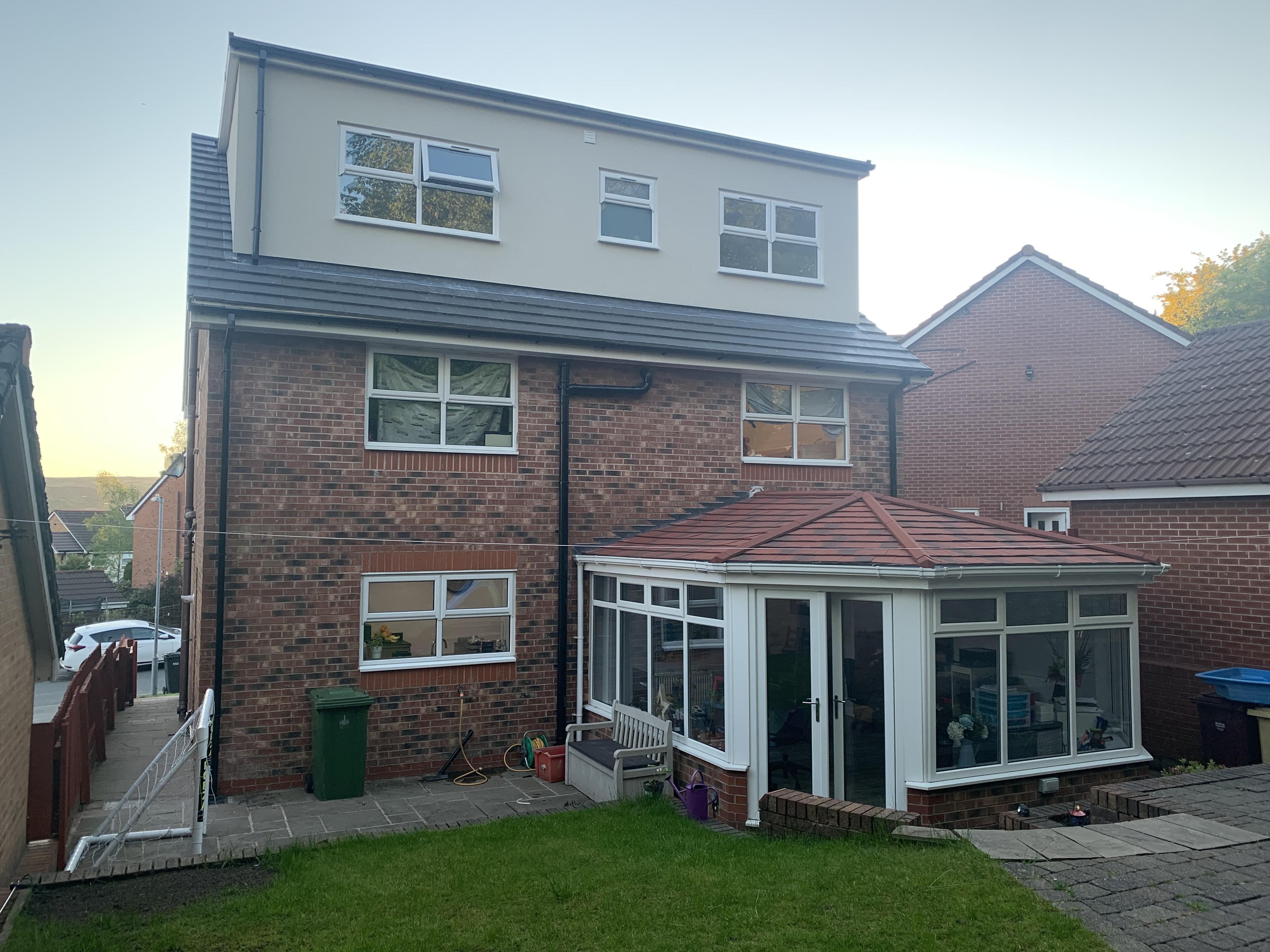
What Is Loft Conversion Planning Permission?
Loft conversion planning permission refers to the legal approval required from your local planning authority to carry out major alterations to your home’s roof space. In many cases, smaller loft conversions fall under “permitted development” (i.e. allowed without full planning permission). But larger or more visible changes — like adding dormer windows, changing ridge height, or extending beyond certain limits — may require full planning consent.
When Do You Need Planning Permission?
Knowing whether your project requires planning approval is crucial. You may need planning permission for a loft conversion when:
-
Your proposed extension changes the roofline or ridge height beyond the existing profile.
-
You intend to build a pitched dormer that is visible from the street.
-
You plan to alter the exterior materials to something substantially different from the existing house.
-
The property is listed, in a conservation area, or subject to Article 4 directions that restrict permitted development rights.
-
You are in a designated area (such as a national park or heritage district) where stricter rules apply.
If none of these apply, your loft conversion might be achievable under permitted development rights — but this must be confirmed formally through the local authority.
Key Considerations Before Applying
-
Setbacks and height limits
Many local plans require dormers or roof extensions to be set back from the front elevation and to stay below a certain height. -
Appearance & materials
The external finish should ideally match or complement the existing home in terms of bricks, roof tiles, windows, etc. -
Windows & privacy
Glazing should avoid overlooking neighbours. Sometimes obscure glass or restricted window opening may be required. -
Structural and fire safety
Changes to internal structure (rafters, joists, load-bearing walls) need engineering calculations and compliance with fire escape rules. -
Planning drawings & documents
You’ll need to submit location plans, scale floor plans, elevations, and possibly shadow or traffic impact studies. A good architect or planning consultant can help.
How to Apply for Planning Permission
-
Pre-application advice
Many councils offer preliminary guidance to test whether your loft conversion is likely to be approved. -
Design & drawings
Engage a qualified architect to prepare detailed plans showing what you propose. -
Submit a planning application
This involves completing forms, paying a fee, and submitting your drawings and supporting documents. -
Neighbour consultation
The planning authority will notify neighbours and invite comments — objections can delay or block approval. -
Decision period
Authorities typically take about 8–13 weeks to decide. They may approve, reject, or ask for modifications.
Tips to Improve Approval Chances
-
Keep your design in harmony with the surrounding architecture.
-
Use matching or complementary materials for roof, bricks, windows.
-
Reduce visual impact — recess dormers from the wall or roof edge.
-
Show respect to neighbours (avoid overshadowing, maintain privacy).
-
Submit clear, professional drawings and a strong planning statement.
What If You Don’t Need Full Permission?
Even if your loft conversion qualifies under permitted development rights, you may still need to submit a “prior approval” application to your local authority. This ensures that factors such as structural safety, fire risk, access, and external appearance are approved.
Conclusion
Getting loft conversion planning permission requires careful planning, good design, and liaison with local authorities. While many conversions may be possible under permitted development, when changes involve visual alterations, increased height, or work in special zones, full planning approval is often required. By investing in thoughtful design, sound drawings, and a professional approach, you can proceed with confidence and create a stunning loft transformation that’s both legal and functional.

 English
 Arabic
 French
 Portuguese
 Deutsch
 Turkish
 Dutch
Dutch
 Italiano
 Russian
 Romaian
 Portuguese (Brazil)
 Tiếng Việt